


No rumors
XIAO Hu • 2026
Behind "rumors" lies an uncontrollable force, recording the fluctuations of life; but people don't want to confront it directly, fearing they won't be able to control their emotions, maintaining such a restrained and polite relationship with this specter. Without it, there would be no rumors.
수상 및 영화제
World Nomadic Short Film Festival
China
2025
출연진 및 제작진
감독의 말
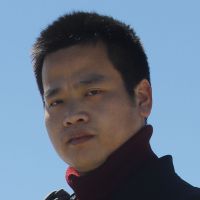
XIAO Hu
감독
On January 23, 2020, the day Wuhan was locked down, I changed my train route from Wuchang to Hanchuan, a rural area before Wuhan, to spend that period of lockdown. After Wuhan was unsealed that year, I still traveled from Jingzhou through Changsha to the China-Vietnam border to film a documentary, avoiding Wuhan. In 2024, after finishing filming at the China-Vietnam border, I returned to Wuhan and randomly observed and filmed the city for a whole year, not only asking how much we still remembered, but also reflecting on where we could go with these memories.COVID-19 is like a piece of superglue they want to get rid of as quickly as possible. Whenever asked, they try their best to clarify and avoid getting involved in bad situations. A few years ago, people avoided COVID-19; a few years later, people are still avoiding COVID-19, only thinking about the present. I returned to some of the sites from that time, such as the current site of Huoshenshan Hospital and the old site of the Huanan Seafood Market. These places were all surrounded by barriers, seemingly unwilling to tell the present about the past. The harsh reality is that the shadow of the pandemic is not over, and people still don’t know how to face the trauma left by the post-pandemic era, along with the economic downturn.Entering 2025, five years after the lockdown, Wuhan held no public memorial events. For the first time, Wuhan was a branch venue for the 2025 CCTV Spring Festival Gala, themed “Heroic City, Looking to the Future,” but the pandemic was never mentioned. Five years is short in a lifetime, but reflecting on the past, it also feels incredibly long, almost altering our destinies. Returning to Wuhan, I spent another winter there. Don’t wait for others to shape your destiny from beginning to end, especially when your destiny is still in your own hands.This time, it’s not about “escaping,” but about “reclaiming,” a confirmation that there were no rumors about Wuhan, neither then nor now.
예고편
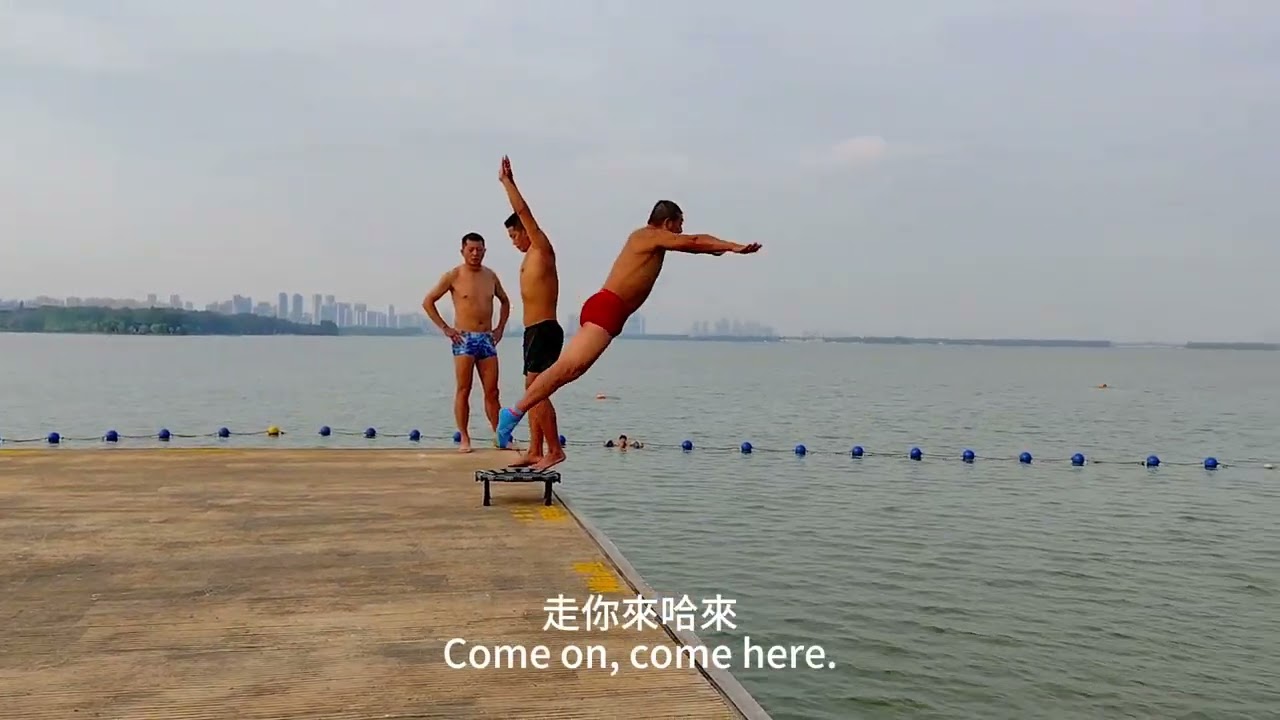
스틸 사진


USER REVIEWS
Loading reviews...