


The Land In Between
Yilu ZHOU • 2025
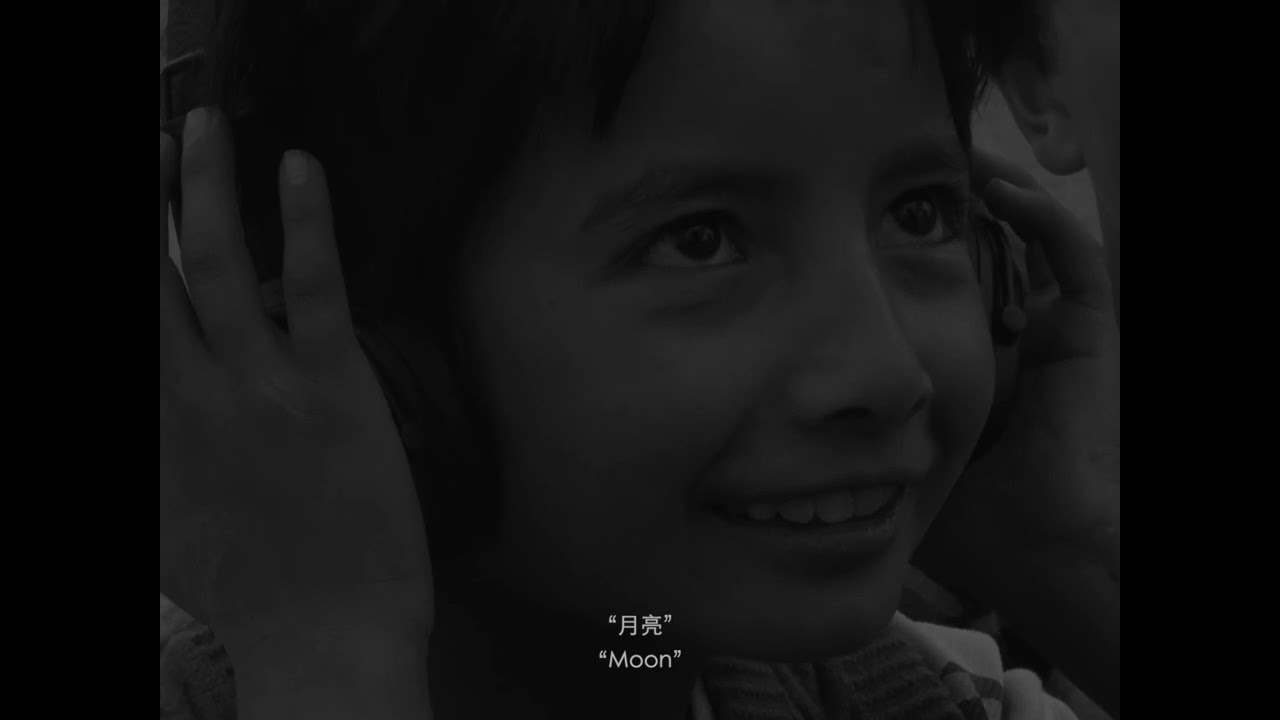
In a remote village in Xinjiang, language lost creates a quiet barrier between generations. Mountains, wrinkles, songs, children’s eyes—a bond beyond words lingers in the air.
수상 및 영화제
Best Film of Sinophone Competition
Beijing International Short Film Festival
China
2025
FIRST International Film Festival
China
2025
HiShorts! Xiamen Short Film Week
China
2025
Strait Youth Film Festival
IM Cross
China
2025
Chinese Documentary New Directors Competition
China
2025
Izmir International Documentary Film Festival
Türkiye
2025
Film Market
Visions du Réel
Switzerland
2025
FOTOGENIA International Festival of Poetic Cinema
Mexico
2025
출연진 및 제작진
감독의 말
Yilu ZHOU
감독
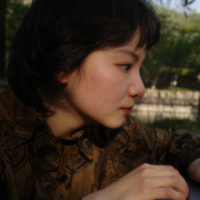
In 2024, I encountered the Tajik community of Xinjiang through a work opportunity. I soon realized that most of the villagers had limited Mandarin proficiency. I often had to slow down, repeat sentences several times, and simplify words into syllables. Interestingly, due to increasing assimilation policies, the most fluent Mandarin speakers in the village were often young children just entering primary school. They eagerly served as interpreters during moments of misunderstanding, and gradually, my communication with villagers began to flow through the voices of children. Wandering through the village, I saw clues of this transformation: graffiti scribbled on muddy walls, with crooked Chinese characters—often misspelled—likely newly learned in class. These distorted combinations of words generated strange and beautiful meanings, which I instinctively recorded. Just beyond the village lay Tashkurgan Town, with significantly more infrastructure. Police cars patrolled regularly, and new high-rise buildings were under construction. Many old graffiti and characters had been half-covered with fresh paint—as if the weeds of untamed language were being systematically erased. During my two-week stay, my frustration at the beginning gave way to a strange intimacy. Connections formed that wouldn’t have emerged in a place of perfect communication. Language broke down. Words unraveled. And perhaps, in those tiny gaps between syllables, air could flow—and emotion, like music, could pass through.
예고편
스틸 사진


USER REVIEWS
Loading reviews...